
What belongs to “Blade”
I.2 · 5 topics- I.2.1GrindingAbout the different ways how knife blades can be ground into different geometries with pros and cons.
- I.2.2
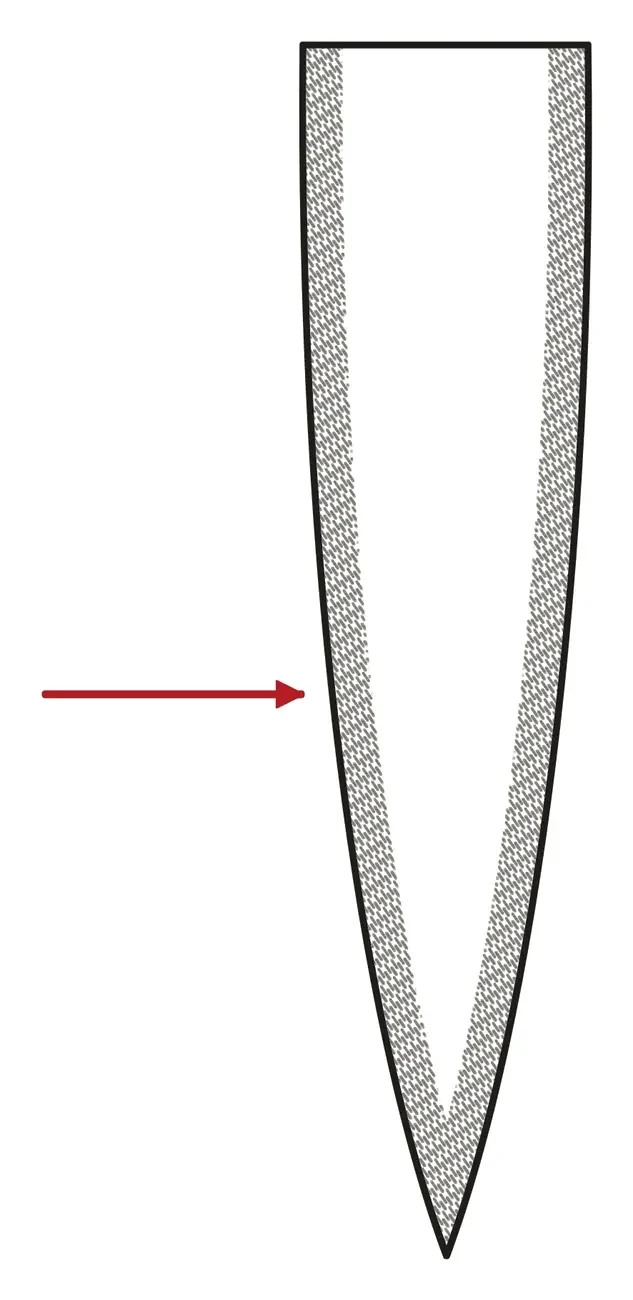 West vs JapanExplaining the difference between a Western and a Japanese knife geometry with pros and cons.
- I.2.3
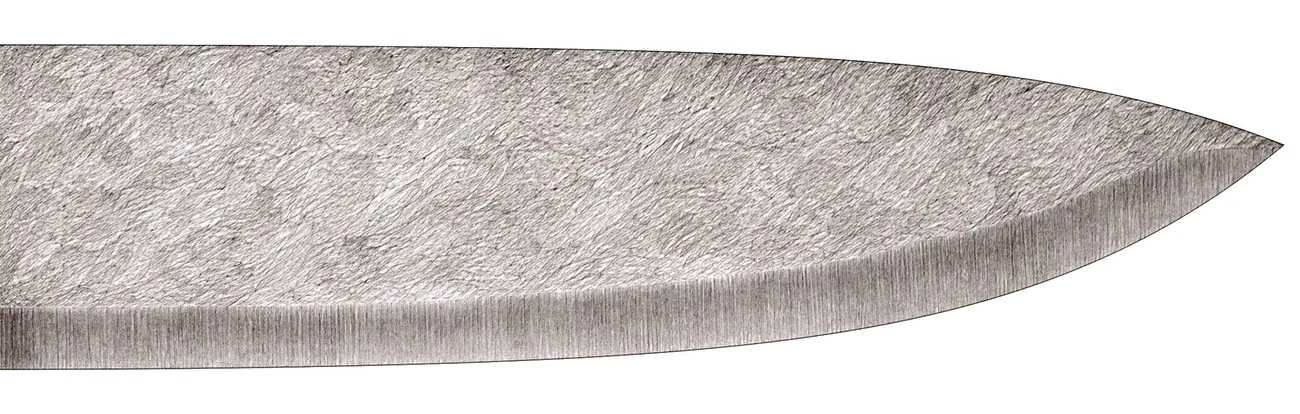 FinishAbout the different surface finishes of knife blades with pros and cons, including finishing of Damascus blades.
- I.2.4
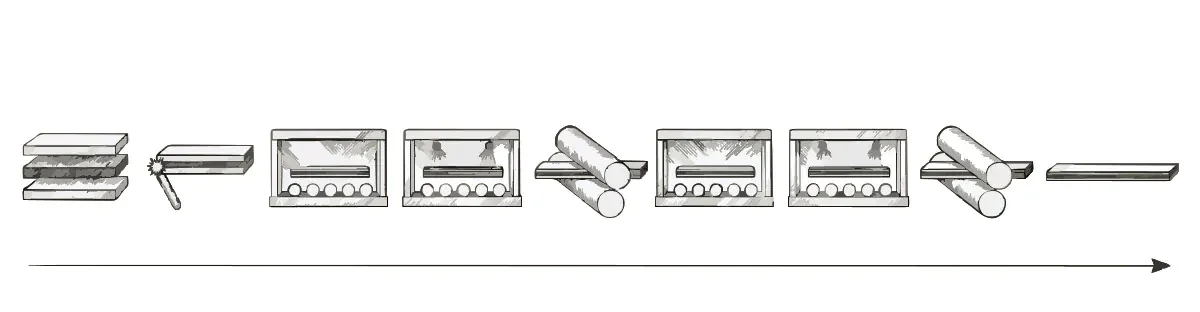 ConstructionAbout the various constructions of kitchen knife blades, including how Damascus blades and blades of multi-layer material are produced.
- I.2.5
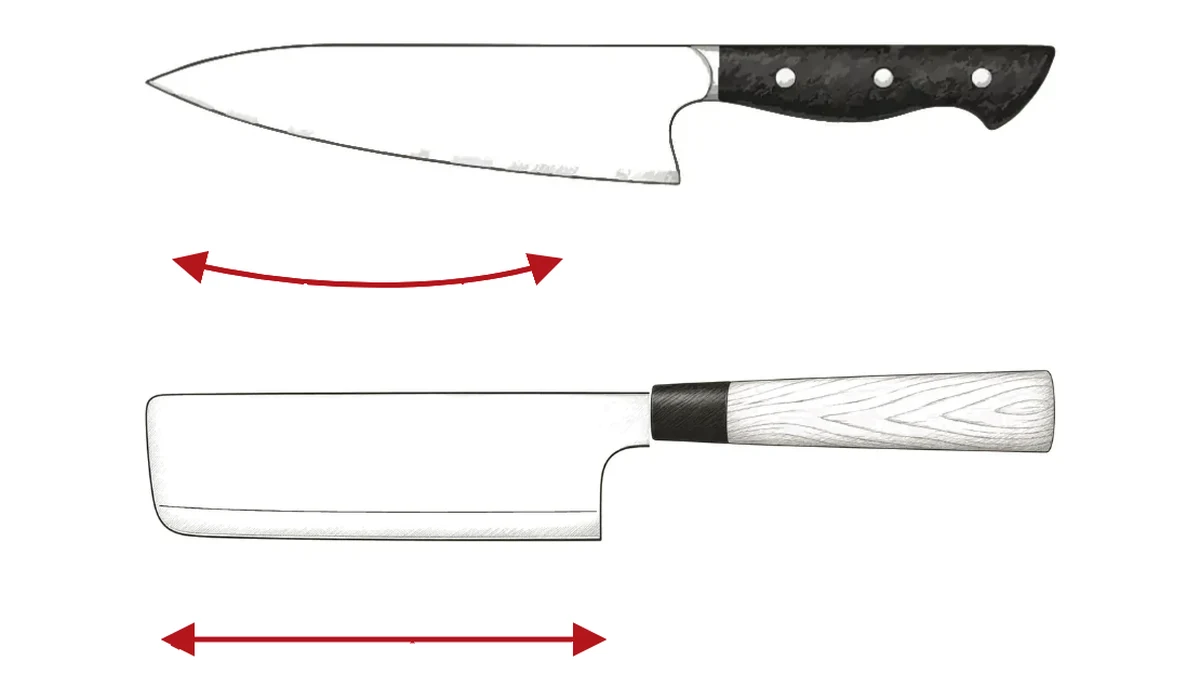 ProfileAbout the importance of the profile or shape of a blade and the matching with cutting technique
Introduction
If steel is the engine of a knife, then blade geometry (cross-section) and profile (the blade’s shape, especially along the cutting edge) are the chassis. Just like a powerful engine can’t make a car fast if the chassis is bulky and the aerodynamics are poor, the best steel won’t make a knife perform well without the right blade geometry and profile.
While geometry doesn’t significantly impact the sharpness measured by common sharpness-testing devices, it dramatically affects the subjective cutting experience. The "cutting feel" refers to how effortlessly the blade moves through food and the power required to execute a cut.
In addition to geometry, two other key factors have an impact on the cutting feeling:
- Sharpness of the cutting edge (covered in next chapter)
- Surface finishing of the blade (explained later in this chapter)
When discussing the geometry of a knife blade, one has to keep in mind two simple rules:
- Food releases more easily from a curved surface than a flat one
- The thinner the blade, the easier it glides through food
How to produce a knife blade from a strip of steel from a steel mill
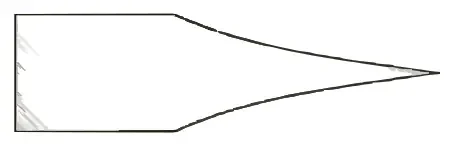
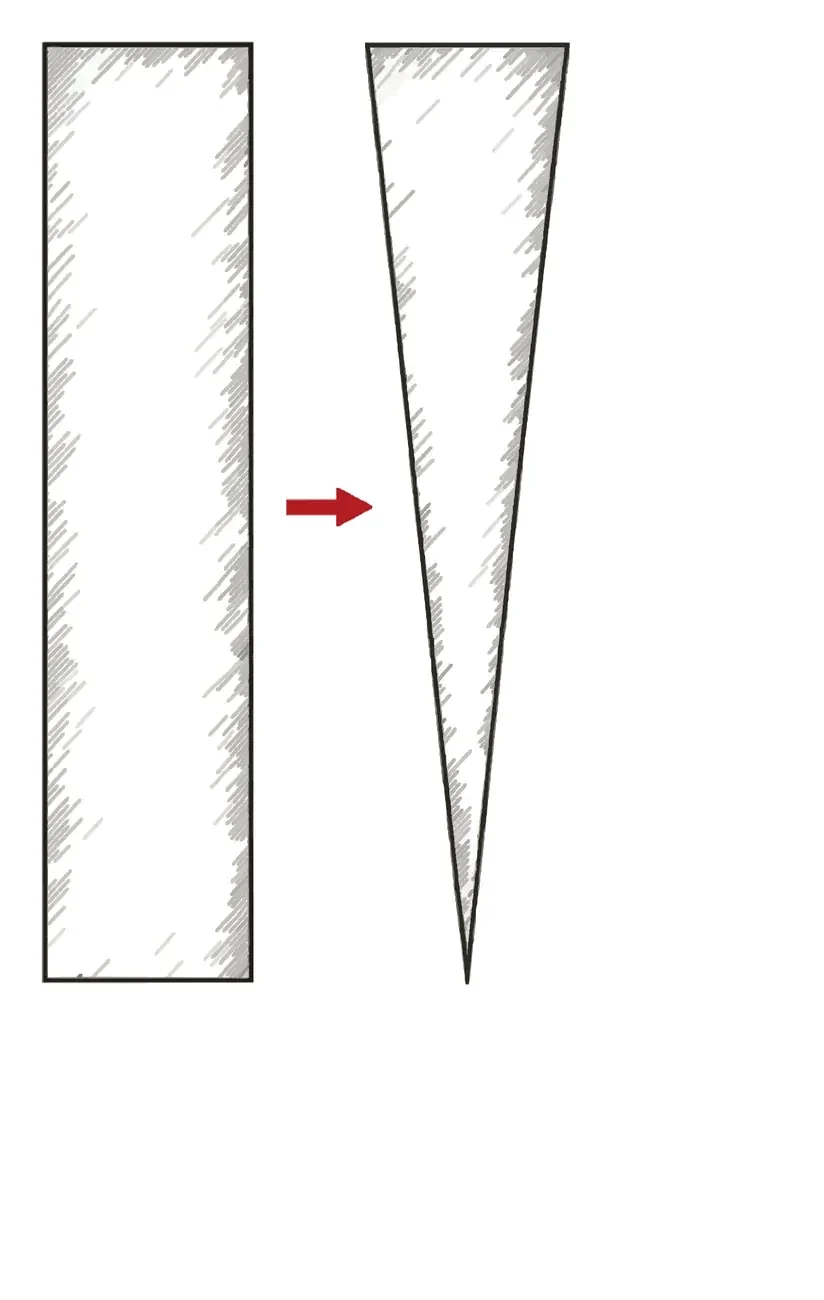
Knife blades are shaped from rectangular steel blanks, either punched or cut from pre-cut sheets or large coils of steel. These blanks have a rectangular profile, typically 2-5 mm thick and 20-100 mm tall. To transform this rectangular profile into a sharp, functional blade, material is ground away from the sides to create the edge. This grinding process is done either using semi-automatic machines or manually with grinding wheels or belts (see image: blade grinding).
During grinding, the blade’s thickness gradually decreases toward the tip, a process known as distal tapering. This tapering adds flexibility to the blade, particularly at the tip, which is essential for certain cutting techniques (see image: distal tapering).
 blade grinding
 distal tapering