
What belongs to “Steel”
I.1 · 6 topics- I.1.1
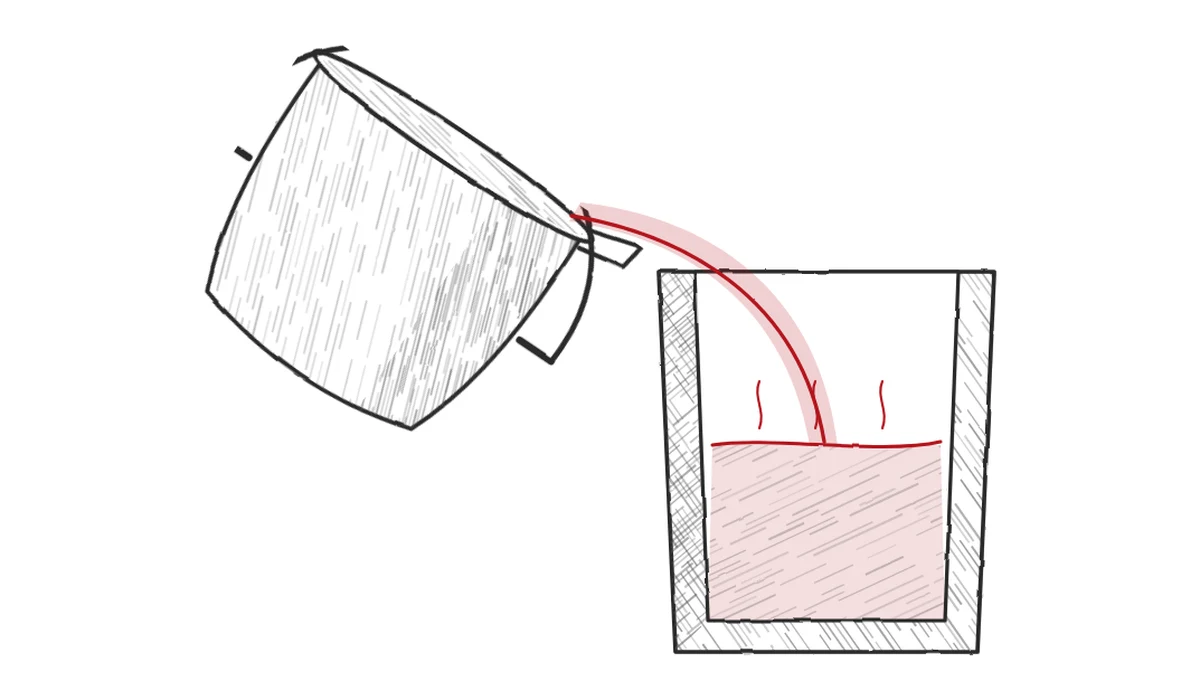 ProductionAbout the different production technologies of knife steel and their pros and cons
- I.1.2
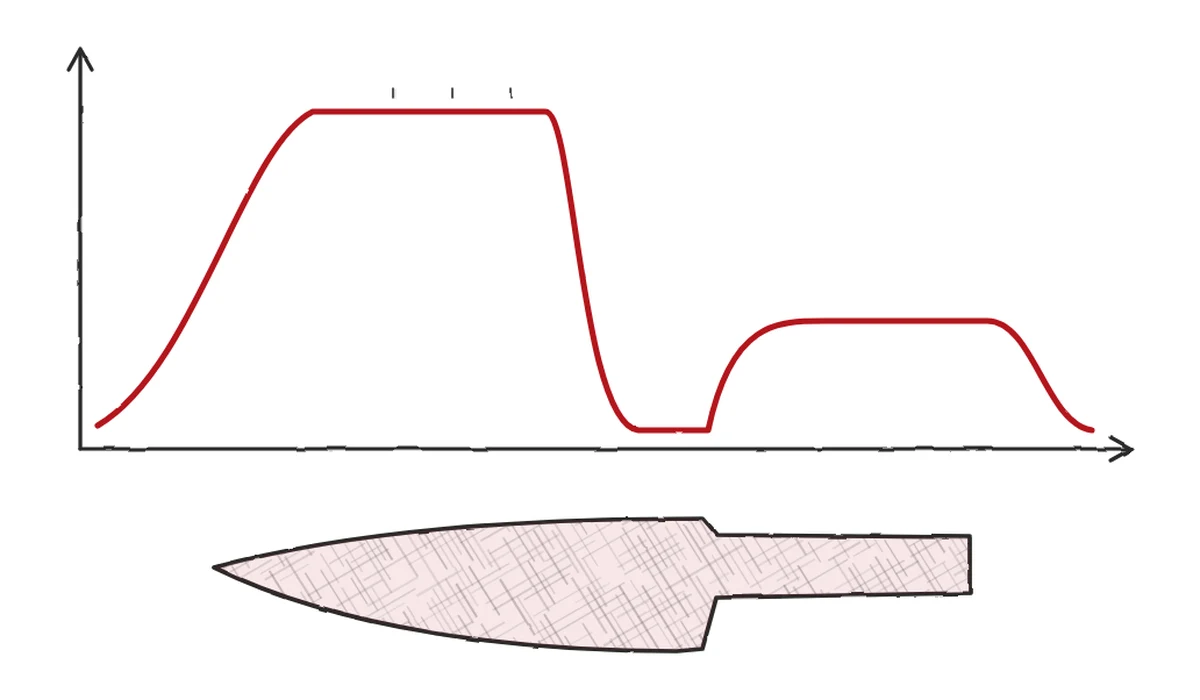 HardeningExplaining the process of hardening a knife steel by heat treatment
- I.1.3
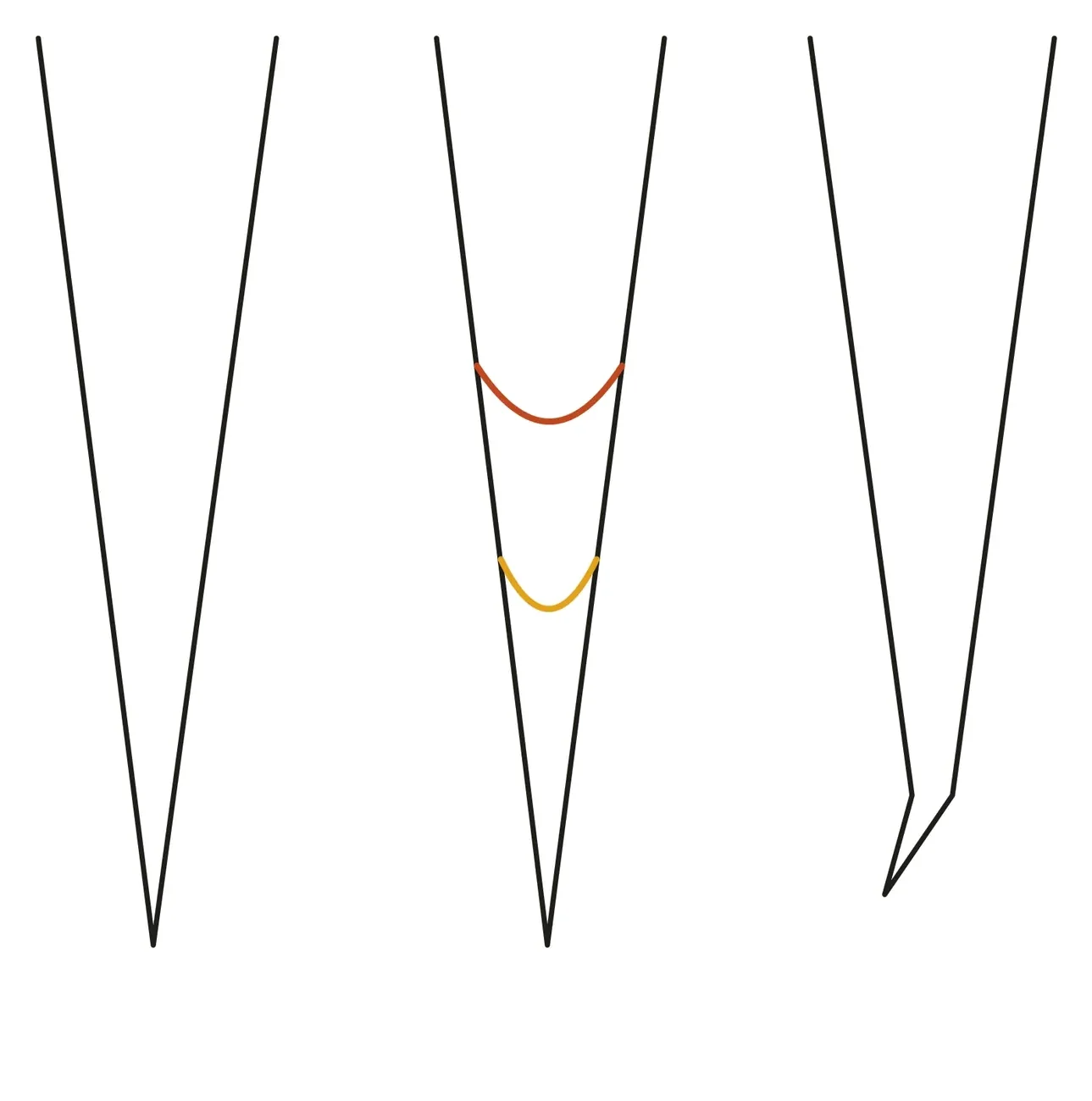 PropertiesExplaining the 4 different properties of knife steel and their inter-dependencies: hardness - abrasion resistance - toughness - corrosion resitance
- I.1.4
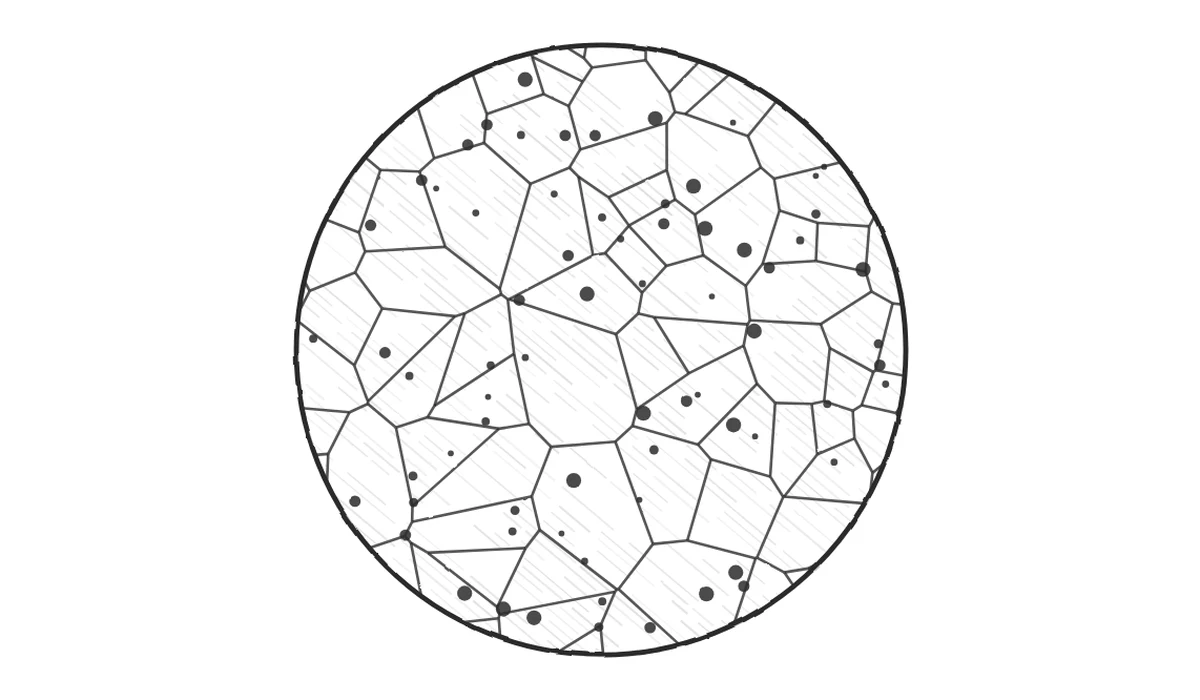 MicrostructureAbout the microstructure of knife steel and how chipping is related to it.
- I.1.5
 Types of SteelAbout the most popular steel used for kitchen knives, their chemical composition, pros and cons.
- I.1.6Ceramic KnivesA brief mentioning of Ceramic knives with pros and cons.
Introduction
Steel is the soul of a knife, much like the engine is to a car. Without a powerful engine, a car won’t be fast. Without good steel, a knife won’t cut well, at least not over a longer period of time.
The steel in a knife determines its key qualities:
- Sharpness
- - how sharp a knife can become
- Edge retention
- - how long it will stay sharp
- Corrosion resistance
- - how resistant it will be to stains and corrosion
- Toughness
- - how resistant the edge will be to damage and chipping
While sharpness and edge retention define the cutting performance, corrosion resistance and toughness affect how the knife performs in everyday kitchen use. The steel sets the potential for these qualities, but it’s the heat treatment that truly unlocks a knife's full potential. You can learn more about this process in the detailed chapters on this site.
What is in a knife steel?
Knife steel largely consists of iron, in small traces Silicon, Mangan, Phosphorus and Sulfur (which inadvertently are added during the production process), and Carbon as the most important alloy. The Carbon content defines the potential hardness of a steel.
When heated, Carbon and other elements in the steel create a compound that is called carbides. In a simple steel, Carbon will form carbides with Iron, called Cementite. If other carbide forming elements are added to the steel, different carbides will be formed and the material properties changed.
Some of those carbide forming elements are Chromium and Molybdenum, and are added to increase corrosion resistance*. Vanadium and Tungsten both form hard carbides, increase toughness and abrasion resistance. Theoretically Tungsten could also be used for improving corrosion resistance, but is considerably more expensive than Chromium, which is why Chromium is preferred for that purpose. Cobalt doesn’t form carbides, but helps to improves microstructure and amplifies the properties of other alloys. It's one of the rarer elements in steel.
*Steel with Chromium content over 13% is called stainless (note: not stain-free!). Steel low on Chromium or without it is called carbon steel and corrodes easily.